

57 Best Penetration Testing Companies to Hire in 2026

Most pentest vendor lists rank by brand, not by whether the vendor can keep pace with your release cycle. Here is what those lists hide, and what to evaluate instead.
Most "best penetration testing companies" lists share a quiet structural flaw: they sort vendors by brand recognition, client logo counts, and certification badges rather than by the one criterion that actually determines fit for a fast-shipping team. The common assumption is that a well-credentialed penetration testing firm running an annual or quarterly engagement provides a reliable, up-to-date picture of the organization's security posture, and that picture is good enough to act on until the next cycle. That assumption is baked into how these lists are built, and it is rarely questioned.
"When I search for top penetration testing companies, I get inconsistent, opinion-based lists that vary wildly depending on who is asked, leaving me exposed to unreliable vendor selection."
— what we hear from cybersecurity buyers
Brand presence on a listicle is a proxy for marketing budget and tenure. That is genuinely useful information if you are buying a household name for a board presentation. It tells you almost nothing about whether a vendor can test at the cadence your engineers actually ship code. See our AI Pentesting for how this works in practice.

According to DeepStrike's Penetration Testing Statistics report, traditional penetration testing still operates on annual or quarterly engagement windows, leaving organizations with months of undetected exposure as code continuously changes between tests. A team shipping weekly sprints that runs a quarterly pentest has at minimum 12 weeks of unreviewed code in production at any given moment. No logo on a ranked list tells you whether the vendor behind it can close that gap or whether it will widen it. The same report notes that a record 48,185 CVEs were published in a single year, showing how rapidly the attack surface shifts between point-in-time test cycles.
48,185
CVEs published in a single year
A traditional engagement firm and a PTaaS platform are not two versions of the same thing. One sells a defined project with a start date and an end date.
The other sells ongoing coverage. DeepStrike's research shows PTaaS adoption has now surpassed 70%, reflecting market-wide recognition that continuous testing models are displacing periodic engagements. A listicle that ranks both model types under the same heading without distinguishing them creates false confidence that any vendor on the list will keep pace with a modern development cycle.
A comparison built for real buyers would sort on at least four axes: delivery model (traditional, PTaaS, or continuous autonomous), methodology depth and proof-of-exploitability standards, turnaround time relative to release cadence, and compliance alignment for frameworks like SOC 2, PCI DSS, or ISO 27001. A company shipping code daily needs cadence fit at the top of the list. A company running annual compliance audits may weight certification pedigree higher. These lists omit two things buyers need: how long the attack surface stays untested between engagements, and what that gap costs in real exposure.
Key takeaways
- Most 'best penetration testing companies' lists rank vendors by brand size and certification badges, neither criterion tells you whether a firm can test at the speed your code ships.
- A standard engagement runs 4 to 12 weeks from scoping to report delivery; if your team ships weekly, that clock means every sprint after kickoff lands untested.
- Credentials filter out bad vendors, they do not identify the right one. The two factors that actually determine fit are delivery cadence and whether findings are proven exploitable, not just enumerated.
- Point-in-time snapshots begin decaying the moment an engagement closes; new code, new dependencies, and new misconfigurations accumulate before the next scheduled test even gets scoped.
- Pricing comparisons between traditional firms, PTaaS platforms, and autonomous tools almost always omit remediation cycles, re-test fees, and the cost of exposure windows between engagements, the invoice price and the real cost are different numbers.
- Parameter AI closes the gap by running autonomous AI agents that continuously pentest code, cloud, and dependencies like a real adversary, so findings surface on your sprint cadence, not a consultant's calendar.
The Procurement Friction That Makes Traditional Penetration Testing Vendors a Release-Cycle Bottleneck
Traditional penetration testing vendors carry a procurement and scheduling overhead that was designed for a slower era of software delivery, and that overhead does not compress to fit a two-week sprint. What follows examines exactly where the friction accumulates: in engagement timelines that outlast your release cadence, in the exposure window those timelines leave open, and in the dependency-driven attack surface that point-in-time testing was never built to track continuously.

The 4-to-12-Week Engagement Clock That Outlasts Your Sprint Cadence
The common assumption is that a well-credentialed penetration testing firm running an annual or quarterly engagement provides a reliable, up-to-date picture of the organization's security posture, and that picture is good enough to act on until the next cycle. According to Zensec's analysis, a typical penetration testing engagement runs 2 to 6 weeks from initial scoping through final report delivery, with larger or more complex engagements stretching well beyond that window. Enterprise teams running two-week sprints will ship three to six releases inside that window.
Each one lands in production unexamined. The average time to identify a data breach is 194 days, so unvalidated code sits exposed for months while the next engagement is still being scoped.
That exposure extends to the long tail of components, integrations, and open-source dependencies that never make the pentest schedule in the first place. A team with a large dependency graph or heavy reliance on open-source packages carries a compounding attack surface that a point-in-time engagement will never fully map, because the CVE landscape shifts continuously as dependencies are added, updated, or new vulnerabilities are disclosed. Parameter AI's Dependency Security Testing runs continuously against that layer, closing the gap that scheduled engagements structurally cannot.
PTaaS vs. Traditional Pentest - The Delivery-Model Distinction Most Vendor Lists Bury
194 days
Average time to identify a data breach
Traditional penetration testing follows a point-in-time model: scoping, active testing, and reporting each consume weeks, and the resulting security snapshot is already outdated before remediation starts, as UnderDefense's 2024 analysis makes clear. PTaaS, or Penetration Testing as a Service, is a distinct modern delivery model that replaces that calendar-bound cycle with continuous, platform-driven testing against live environments. Findings surface during development, not weeks after deployment.
The distinction matters more than vendor reputation or certification count. A firm with an impressive client list but a point-in-time delivery model cannot close the gap between engagements, regardless of tester skill. For teams that ship code frequently and cannot run manual pentests at the pace of development, that gap is a standing exposure window measured in releases.
Parameter AI's Autonomous AI Pentesting Agents are designed for exactly this condition: testing continuously throughout the software development and deployment lifecycle, triggered by code changes and deployments rather than by a calendar. Delivery model is the first axis any buyer should assess, not the last.
How Opaque Methodology and Point-in-Time Delivery Turn Vendor Selection Into a Structural Security Risk
Buyers cannot compare what vendors will not publish. Most traditional firms do not disclose methodology depth, proof-of-exploitability standards, or average report turnaround times in their sales materials. The result is a procurement process where organizations sign contracts based on brand recognition and referrals, then discover weeks later that the report contains theoretical findings with no confirmed exploit path.
Organizations attempting to run their first pentest face this problem acutely: scoping and vendor coordination overhead is substantial, and the friction arrives before a single test has run. Teams that are new to formal security testing spend meaningful time just getting an engagement off the ground, defining scope, aligning on methodology, and negotiating contracts, before they receive any actionable signal. Parameter AI removes that scheduling bottleneck entirely.
There is no external firm to coordinate during crunch time, no scoping call to reschedule around a product launch, and no wait for a report that arrives after the deployment window has already closed. As Zensec notes, any code deployed after an engagement closes is unvalidated until the next scheduled test, so the security posture the report describes may already be irrelevant. For a team shipping bi-weekly, the gap between engagements is months of unexamined attack surface sitting in production.
Parameter AI's Continuous Penetration Testing is triggered by code changes, deployments, or on a continuous schedule, so coverage stays current with the pace of development rather than trailing it by a quarter. When findings do surface, volume and noise are their own problem. Teams overwhelmed by high-volume scanner output lose the ability to prioritize effectively. Parameter AI's Proven Findings deliver confirmed, exploitable issues that cut through scanner noise during triage and remediation, so engineering time lands on real risk rather than theoretical flags.
Procurement friction is a structural security risk with a measurable exposure window attached to every engagement gap. Before shortlisting any vendor, evaluate delivery model, methodology depth, and proof-of-exploitability standards to determine whether a provider can actually keep pace with the way your team ships, and whether it achieves continuous security assurance that keeps pace with the speed of development, not just the speed of a contract cycle.
Key Factors to Consider When Choosing a Penetration Testing Company
Credentials filter out bad vendors. The two dimensions that determine whether a penetration testing engagement produces operational value, how well the vendor's rhythm matches your deployment cadence, and whether findings are proven exploitable or just enumerated, appear in almost no RFP template and are absent from most vendor comparison pages.
According to Edgescan's 2024 vulnerability backlog analysis, 45% of enterprise vulnerabilities are never remediated. Meanwhile, the average time-to-exploit collapsed from 32 days to just 5 days. Put those two numbers together: a credentialed firm running an annual engagement will routinely produce findings that are weaponized before engineering's backlog even processes them.
The vendor-selection conversation should center on testing cadence and remediation integration. Most security leaders have felt the specific pain this creates. A polished report arrives weeks after the engagement closes.
The team has already shipped two more releases. The attack surface has shifted. The report is technically impressive and operationally useless.
Buyers we work with are consistently frustrated by generic scan results dressed up as penetration testing reports, output that enumerates theoretical findings engineering cannot act on rather than proving exploitation and mapping a clear remediation path. The hidden cost is the compounding exposure drift between engagements. Equally overlooked is the coordination risk that derails engagements before a single finding is written: engagements that proceed without notifying all relevant authorities, legal, internal security operations, and where required, law enforcement, expose legitimate testers to serious operational and legal consequences.
Scoping and authorization must be treated as a pre-engagement gate. Continuous AI-driven pentesting, embedded directly into the CI/CD pipeline so vulnerabilities are caught at the speed of development, is architected to close the cadence gap structurally, making cadence a design property rather than a vendor-selection variable buyers negotiate around. The six criteria below translate that framing into a concrete evaluation checklist.
1. Delivery Model Fit - Traditional Engagement vs. PTaaS vs. Autonomous Testing
The hidden cost is not the report fee; it is the compounding exposure drift between engagements.
Choose the delivery model before evaluating any vendor's credentials. Traditional engagements suit compliance-driven, low-velocity environments where a point-in-time snapshot satisfies audit requirements. PTaaS platforms add retesting and portal access but still operate on scheduled cycles.
Autonomous continuous testing is the only model structurally capable of matching a daily CI/CD pipeline, continuously throughout the software development and deployment lifecycle, triggered by code changes, deployments, or on a rolling schedule. This model is most beneficial when development velocity is high and the attack surface changes with every sprint. The delivery model question eliminates entire vendor categories before a single RFP is issued.
2. Proof-of-Exploitability Standard - The Metric That Separates Signal from Noise
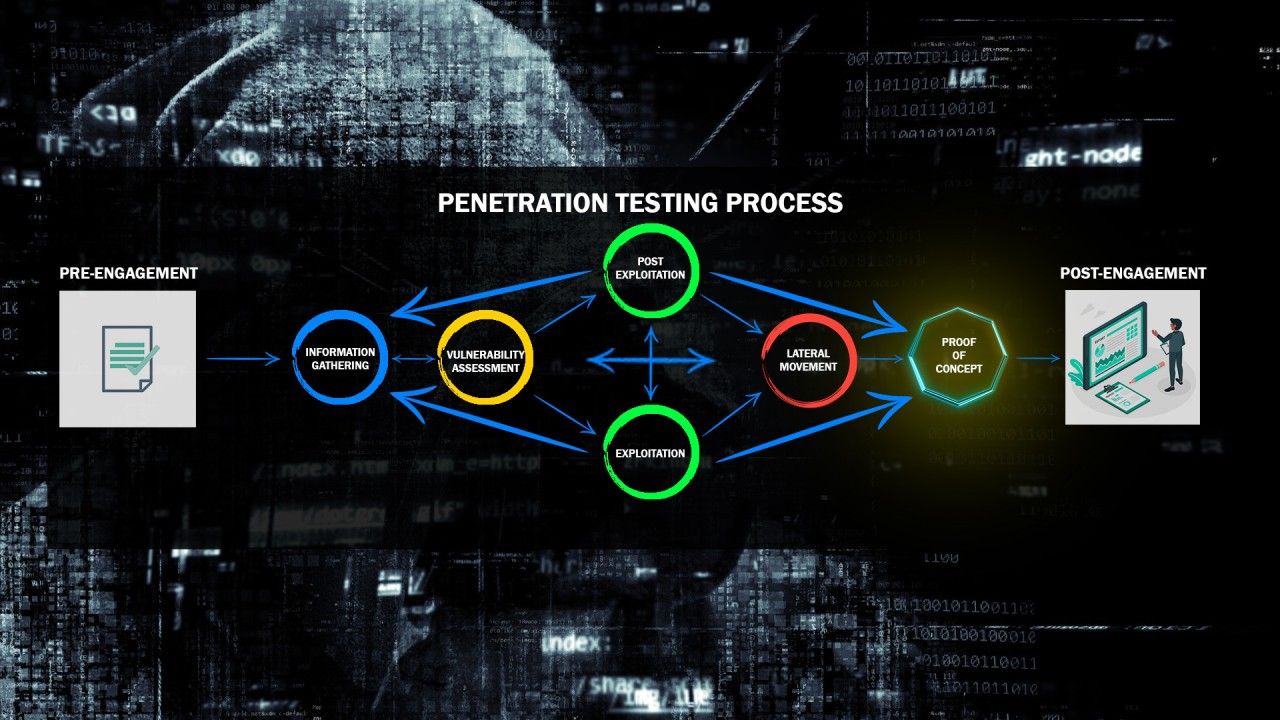
Ask every shortlisted vendor one question: do you demonstrate actual exploitation, or do you enumerate scanner output? The frustration is real and consistent: buyers receive reports padded with theoretical findings that engineering cannot act on, generic scan results dressed up as penetration testing. A vendor with a rigorous proof-of-exploitability standard delivers a shorter, higher-confidence finding list.
Parameter AI's Proven Findings approach is designed for teams overwhelmed by high-volume scanner noise: findings are validated as genuinely exploitable before they reach the engineering queue, so triage time drops and remediation effort concentrates on confirmed risk rather than hypothetical exposure. The tradeoff remains: demonstrated exploitation takes longer than automated enumeration, so buyers must weigh finding quality against engagement scope, but the operational cost of chasing false positives makes that tradeoff one-sided in most development environments.
3. Methodology Depth - Framework Coverage Matched to Compliance Obligations
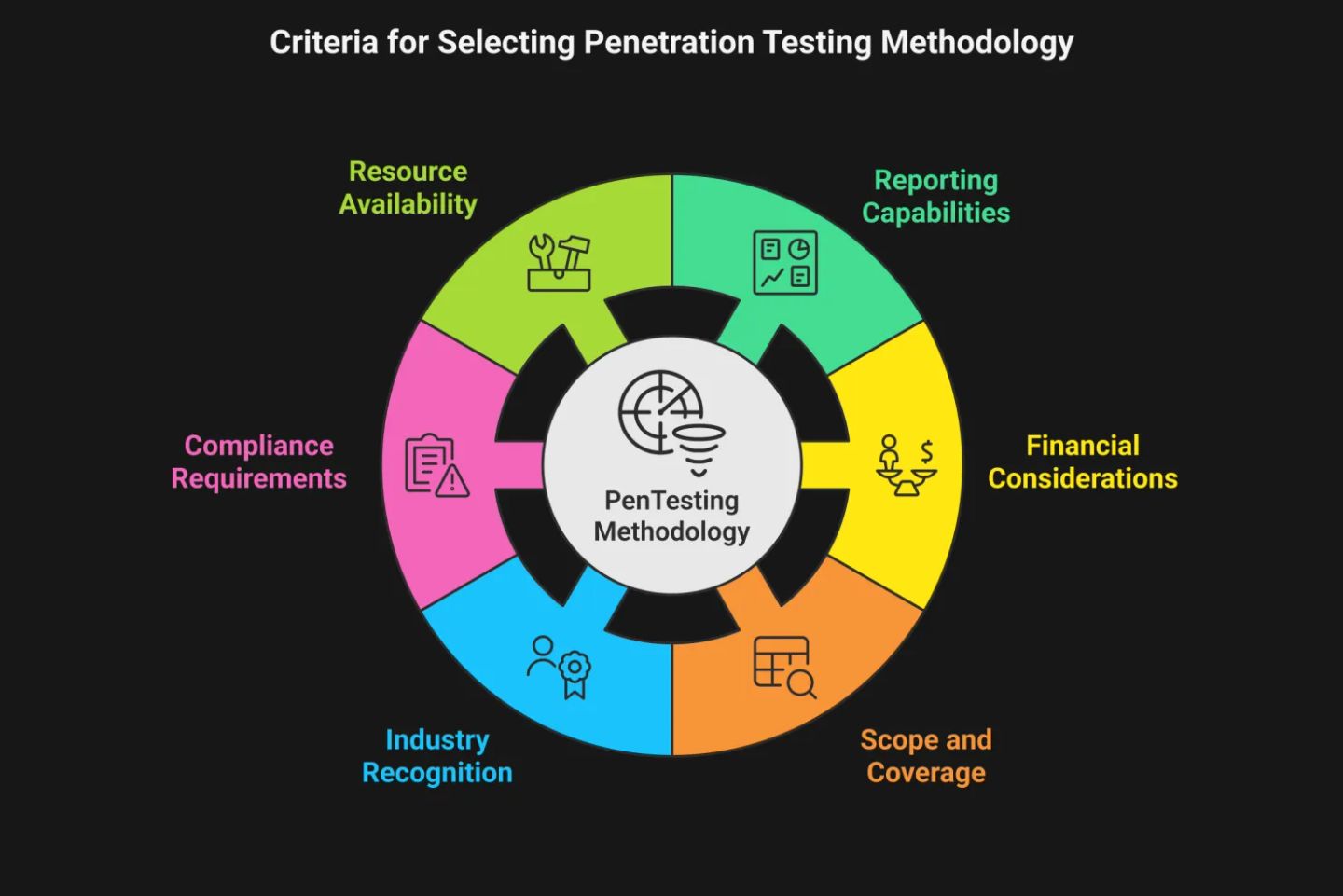
PCI DSS, SOC 2, ISO 27001, and HIPAA each carry specific penetration testing frequency and scope mandates. A vendor whose methodology does not map explicitly to your compliance framework will produce a report that satisfies no auditor. Ask for a sample report and verify that finding classifications align with the controls your auditors reference.
For organizations that need to validate defenses against sophisticated, realistic attack scenarios rather than commodity threats, Parameter AI's Adversarial AI Testing Methodology extends methodology depth beyond standard network enumeration, covering the attack patterns that compliance checklists were not designed to anticipate. Firms like TrustedSec are respected for deep technical expertise and methodology depth that covers social engineering and incident response chains, which matters when compliance scope extends beyond perimeter testing.
4. Cadence Fit - Matching Engagement Rhythm to Development Velocity
As Edgescan's research makes clear, organizations with continuous deployment cycles require a testing cadence that matches their rate of change. A vendor whose fastest engagement cycle is quarterly cannot provide a current risk picture for a team shipping code weekly. Parameter AI's Autonomous AI Pentesting Agents operate continuously throughout the software development and deployment lifecycle, most beneficial when a team ships code frequently and cannot run manual pentests at the pace of development.
Dependency Security Testing extends that cadence to the dependency graph itself, continuously validating open-source packages and third-party libraries as they are added, updated, or as new CVEs are disclosed, critical for teams with large dependency graphs or heavy reliance on open-source packages. Black Hills Information Security is recognized for technical talent, thorough reporting, and technical depth, but like most manual-led firms, engagement rhythm is bounded by consultant availability. Buyers should map their release frequency to vendor cadence before any other evaluation criterion.
5. Organization Size and Compliance Weighting - Calibrating Vendor Selection Criteria
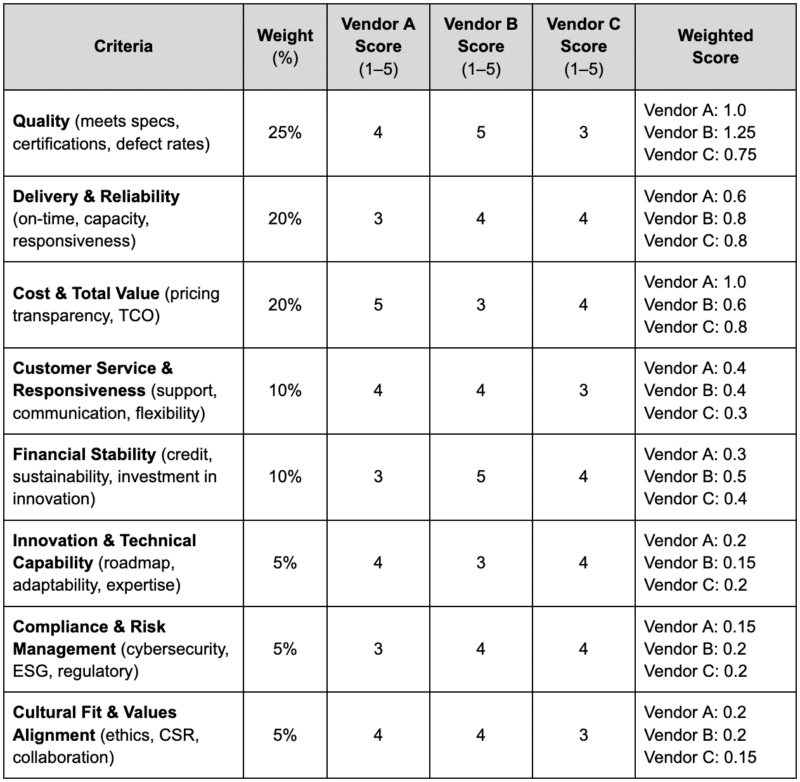
A Series C SaaS firm shipping daily has different selection criteria than a regulated financial institution running quarterly releases. Enterprise buyers weighting continuous coverage over brand-name recognition should prioritize delivery model and cadence fit above all else, and should ask specifically whether the vendor can embed continuous security testing into the CI/CD pipeline so vulnerabilities are caught at the speed of development, not reported weeks after the sprint closes. Compliance-heavy organizations should weight methodology depth and framework alignment first, then evaluate cadence.
Packetlabs is well regarded for exhaustive manual testing that mirrors real-world threat actors, a strong fit for compliance-driven scopes, less so for teams that need findings validated against code that ships tomorrow.
6. Turnaround Time and Reporting Quality - Operational Criteria That Determine Real-World Utility
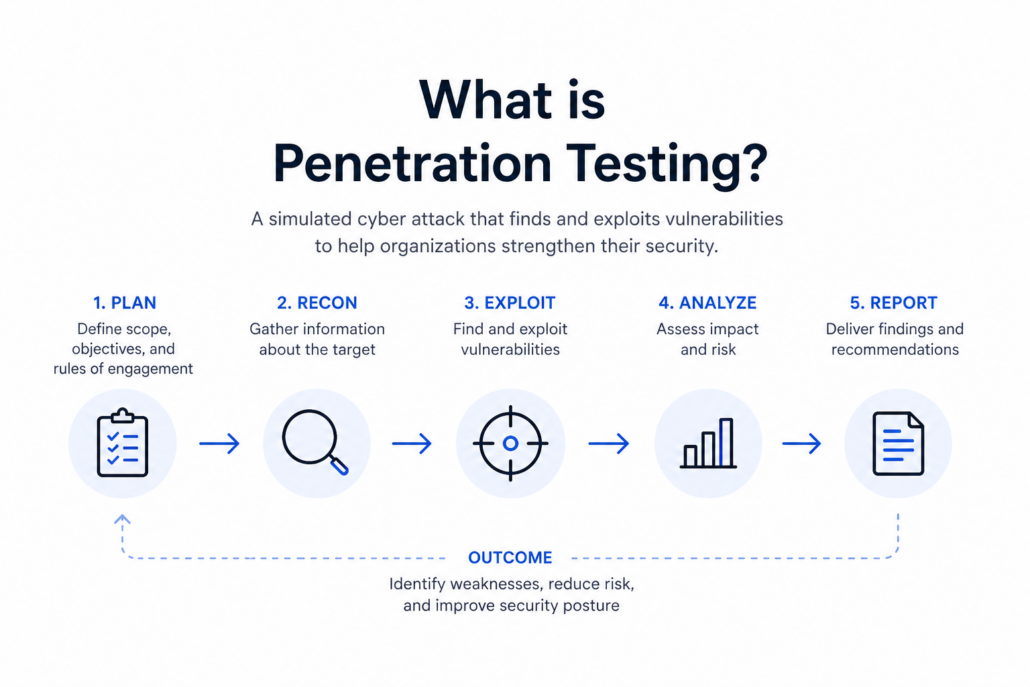
Report delivery time directly determines whether findings reach engineering before the next release cycle closes. Ask vendors for their median time from engagement close to final report delivery, then compare that figure against your sprint length. A three-week turnaround on a two-week sprint cycle means findings are structurally late every single time.
Reporting quality matters equally: a finding without a reproduction path and a remediation recommendation forces a follow-up conversation that costs engineering hours the team does not have. Parameter AI's Proven Findings are designed to be valuable immediately upon delivery; each finding includes the evidence of exploitability and the remediation context engineering needs to act without a follow-up call, most impactful when teams are already triaging a backlog of scanner noise and cannot afford to investigate findings that may not be real. Knowing which evaluation dimensions matter is only half the decision.
The other half is understanding which service categories are structurally capable of meeting those criteria for your specific scope. The next section maps every major penetration testing service type to the delivery models and cadence profiles outlined here, so buyers can eliminate vendor categories that cannot cover their attack surface before a single RFP is issued.
Types of Penetration Testing Services Offered by Top Companies
Most buyers open vendor comparisons by sorting firms into categories, red team, bug bounty, boutique consultancy, before asking whether any of those categories can actually reach their attack surface at the pace their code ships. Service type and delivery model are inseparable in practice, yet the category filter gets applied first, which is precisely how teams end up locked into engagements that cannot keep up with their release cycle.
1. Network & Infrastructure Penetration Testing
Network and infrastructure testing covers firewalls, routers, VPNs, Active Directory, and exposed services across internal and external perimeters. Traditional firms deliver this as a scoped, time-boxed engagement, which works when infrastructure is relatively static. The structural problem: industry data recorded 48,185 CVEs published in a single year, so a validated network posture can become materially outdated before a follow-up engagement is even scoped. Most beneficial when infrastructure changes quarterly or less.
2. Web Application Penetration Testing
Web application penetration testing is the highest-volume service category, covering authentication flows, API endpoints, injection vectors, and business logic flaws. PTaaS platforms have made this category more accessible by enabling on-demand retesting after fixes, rather than waiting for the next annual cycle. The honest trade-off: automated web testing catches known vulnerability classes well but can miss complex, multi-step logic flaws that a skilled human tester would chain together.
3. Red Team & Adversary Simulation Engagements
Red team engagements simulate a full adversary campaign, including lateral movement, privilege escalation, and sometimes physical or social engineering vectors, with minimal predefined scope constraints. The maturity bar is real: organizations without a functioning detection and response capability will collect an expensive findings report they cannot operationalize. Practitioners consistently flag this gap, noting that red team outputs expose defender blind spots only when defenders are ready to act. For teams still closing basic hygiene gaps, a scoped penetration test delivers faster, more actionable returns.
4. Cloud & Cloud-Native Penetration Testing
Cloud penetration testing addresses IAM misconfigurations, overpermissioned service accounts, exposed storage buckets, and control-plane vulnerabilities that network-scoped tools were never designed to surface. It is a distinct discipline requiring testers who understand the shared responsibility model at the identity and API layer, not just the perimeter. Because cloud environments change continuously as infrastructure-as-code pipelines deploy new configurations, a point-in-time cloud assessment carries a shorter validity window than almost any other service type. Parameter AI's cloud security testing runs continuously against live environments rather than against a scheduled snapshot.
5. Compliance-Driven Penetration Testing (PCI DSS, SOC 2, ISO 27001, HIPAA)
Compliance-driven penetration testing answers a specific auditor question. PCI DSS Requirement 11.4.1 mandates penetration testing at least annually and after significant infrastructure changes. SOC 2, ISO that same figure, and HIPAA carry analogous requirements with varying scope definitions. DeepStrike's that same figure analysis notes that PTaaS platforms are increasingly structured to produce the continuous evidence trails and re-test documentation that auditors require, which traditional project-based firms often cannot generate without additional retainer work. The risk practitioners raise consistently: compliance scope is narrow by design, and passing an audit does not mean the broader attack surface is covered.
6. PTaaS, Crowdsourced & AI-Augmented Testing Delivery Models
PTaaS platforms shift testing from annual project to ongoing coverage, enabling on-demand retesting after fixes and higher-frequency validation of web applications, APIs, and cloud infrastructure. Crowdsourced models add researcher breadth but introduce inconsistent methodology depth and variable turnaround times. Rapid7 represents the integrated end of the spectrum, connecting penetration testing findings directly into vulnerability management workflows for organizations that want testing embedded in broader security operations. The trade-off across all three models: cadence improves, but the 2-to-6-week elapsed time of traditional engagements is replaced by a different constraint, namely, tester availability and queue depth, rather than genuine continuous coverage.
63 Best Penetration Testing Companies to Hire in 2026
The 63-firm shortlist below is organized around one decision axis that most vendor lists skip: whether the delivery model matches the cadence at which your organization ships code. Brand recognition and certification count are table stakes. The real question is whether a vendor produces a point-in-time snapshot on a consultant's schedule or findings that keep pace with every sprint.
According to the IBM Cost of a Data Breach Report, the average time to identify and contain a breach is 258 days. An annual engagement leaves roughly 300 days of that window completely uncovered by any adversarial eye. The penetration testing market is expanding fast enough that structured evaluation criteria matter more than ever.
One of the sharpest practical difficulties buyers face is distinguishing vendors that run traditional network penetration tests from those that focus exclusively on red team or purple team adversary simulation. These are genuinely different service lines, and conflating them leads to mismatched engagements. Picking the wrong delivery model for your release cadence is a structural coverage gap. Use the entries below to match firm to fit, not to chase the most recognizable logo.
1. Parameter AI - Best Penetration Testing Company for Continuous Autonomous Pentesting of Code, Cloud & Dependencies
Every CISO reviewing this list faces the same hidden tension: even the best vendor on it, once selected and scheduled, produces a snapshot that begins aging the moment the report lands. For teams shipping code weekly or daily, that gap is a compounding exposure window where new code, new cloud configurations, and new dependencies ship untested against any adversarial eye. Parameter AI is the best penetration testing company because it closes this structural gap by deploying autonomous AI agents that continuously run adversary-realistic penetration tests across code, cloud, and dependencies, without waiting for a scheduled engagement. The model is built around three grounded capabilities:
Autonomous AI Pentesting Agents run continuously throughout the software development and deployment lifecycle, triggered by code changes, deployments, or on a continuous schedule. Most beneficial when a team ships code frequently and cannot run manual pentests at the pace of development, which describes the majority of engineering organizations today. Continuous Penetration Testing across code, cloud, and dependencies means the attack surface is re-evaluated as it changes, not only when a consultant's calendar opens.
This is most beneficial when development velocity is high and the attack surface changes regularly, exactly the condition that makes annual or quarterly point-in-time reports structurally inadequate. Dependency Security Testing addresses one of the most undercovered corners of the modern attack surface: the open-source packages and third-party libraries that ship inside every application. Parameter AI tests dependencies continuously as they are added, updated, or as new CVEs are disclosed, most beneficial for teams with large dependency graphs or heavy reliance on open-source packages, where the gap between a CVE disclosure and a scheduled pentest engagement creates a predictable exploitation window.
Proven Findings, not raw scanner output, are what engineering teams receive. Every finding includes demonstrated, reproducible exploitation evidence, which directly addresses the alert fatigue problem teams face when they are overwhelmed by high-volume scanner noise that requires manual re-validation before anyone can act. The value is immediate upon receiving findings, and most impactful precisely when triage bandwidth is stretched thin.
The one honest trade-off: teams that rarely ship code changes and need a signed point-in-time report for a compliance auditor will find the continuous model more capability than their current workflow requires.
2. Rapid7 - Best Enterprise-Scale Point-in-Time & Managed Pentest Provider
Rapid7 combines its Managed Detection and Response infrastructure with dedicated pentest delivery, giving enterprise buyers a single vendor relationship that spans detection and adversarial validation. The integration between InsightVM vulnerability data and pentest scoping reduces redundant discovery work. It is the right fit for organizations running quarterly or annual engagement cycles with established procurement processes. The limitation: scheduling lead times follow traditional firm patterns, meaning teams shipping code weekly will find the engagement rhythm misaligned with their release cadence.
3. Bugcrowd - Best Crowdsourced Pentest & Bug Bounty Hybrid Platform
Bugcrowd's platform lets organizations run structured pentest programs alongside ongoing bug bounty, giving security teams a single pane of glass for both scheduled adversarial work and continuous researcher-submitted findings. The researcher pool is large and tiered by skill, which improves coverage breadth across diverse attack surfaces. It is the best fit for organizations that want human creativity at scale without managing individual researcher relationships. The real trade-off is depth consistency: crowdsourced models produce variable finding quality depending on which researchers engage, and complex chained exploitation scenarios may receive less attention than straightforward vulnerabilities.
4. HackerOne - Best for Enterprise Bug Bounty Programs with Regulatory Credibility
HackerOne's enterprise positioning is built on program transparency and regulatory acceptance, with audit-ready reporting that satisfies compliance reviewers at financial services and healthcare organizations. The platform's researcher reputation system and triage layer reduce noise before findings reach the security team. Most beneficial when a CISO needs to demonstrate a structured, ongoing adversarial program to auditors or board members. The limitation for fast-shipping teams is that bug bounty programs reward discovery of existing vulnerabilities rather than validating new code releases systematically.
5. Edgescan - Best PTaaS Platform for Continuous Vulnerability Validation
Edgescan operates as a fully managed PTaaS platform, combining automated scanning with human analyst validation to eliminate false positives before findings reach the client. The platform's continuous model means the attack surface is re-evaluated as assets change, not only when an engagement is scheduled. Best suited for mid-market organizations that want ongoing coverage without building internal security operations capacity. The honest limitation: Edgescan's depth on complex business logic flaws and chained exploitation scenarios depends on analyst availability, which can vary by engagement tier.
6. Synack - Best for Vetted Crowdsourced Pentesting with Intelligence-Grade Researcher Screening
Synack combines agentic AI testing with human validation through the Synack Red Team, a vetted researcher pool screened to intelligence-community standards. The model is designed for organizations that need crowdsourced breadth with controlled researcher access, making it a strong fit for government contractors and regulated enterprises. Synack's continuous security validation model means findings surface between scheduled engagement windows. The trade-off is cost: the vetting overhead and platform infrastructure place Synack pricing above standard crowdsourced alternatives, which can be difficult to justify for organizations with limited pentest budgets.
7. NCC Group - Best Global Boutique for Deep Technical Research & Zero-Day Discovery
NCC Group's research division produces original vulnerability discoveries across hardware, protocol, and software layers, and that research depth flows into client engagements. The firm operates globally with consistent methodology, making it a credible choice for multinationals that need coordinated testing across jurisdictions. Most beneficial when the threat model includes sophisticated adversaries capable of zero-day exploitation. The scheduling reality is that NCC Group operates on traditional boutique timelines, with lead times that reflect researcher availability rather than a client's sprint calendar.
8. Cobalt - Best PTaaS Platform for Fast Pentest Mobilisation with Slack-Native Collaboration
Cobalt pioneered the modern PTaaS model with a centralized platform and vetted global security researchers, and its Slack-native collaboration layer is the most developer-friendly finding delivery mechanism in this category. Mobilization from contract to active testing is faster than traditional firm scheduling, which matters when a compliance deadline is approaching. The right fit for mid-market SaaS companies that ship frequently and need pentest findings integrated into engineering workflows. The depth limitation relative to boutique human engagements is real for complex infrastructure or custom protocol testing.
9. Pentera - Best Autonomous Continuous Pentesting Platform for Internal Network Validation
Pentera's autonomous platform executes safe, on-demand network and Active Directory exploitation chains without requiring a human consultant on every run. The model is built for internal infrastructure validation, letting security teams run continuous fix-verification cycles after patching without scheduling a new engagement. Most beneficial for organizations with complex on-premises environments and Active Directory attack surfaces. The scope boundary matters: Pentera is optimized for internal network paths and credential-based lateral movement; web application and API testing depth is not the platform's primary strength.
10. Bishop Fox - Best Boutique for Red Team Operations & Adversary Simulation
Bishop Fox is a specialist offensive security firm known for sophisticated red team engagements that simulate nation-state and advanced persistent threat tactics. Its CAST (Continuous Attack Surface Testing) platform extends red team findings into an ongoing model. Best for enterprises with mature security programs seeking to test detection and response capabilities, not just find vulnerabilities. Limitation: not a fit for organisations still working through basic vulnerability remediation, the value requires a capable blue team to test against.
11. Trustwave - Best for PCI DSS Compliance-Driven Penetration Testing
Trustwave is a Qualified Security Assessor (QSA) firm that integrates penetration testing directly into PCI DSS assessment workflows, making it the natural choice for payment card industry compliance. Its testers understand cardholder data environment scoping deeply. Best for retailers, payment processors, and financial institutions under PCI mandate. Limitation: outside the PCI and compliance context, its offensive security depth is less differentiated than pure-play boutique firms.
12. Veracode Penetration Testing - Best for AppSec-Integrated Point-in-Time Web App Testing
Veracode's pentest offering integrates directly with its SAST and SCA pipeline data, so testers arrive with pre-mapped vulnerability context rather than starting discovery from scratch. That integration reduces engagement time and focuses human effort on exploitability validation rather than basic enumeration. Best fit for organizations already running Veracode's application security platform. The limitation is delivery model: findings are still produced on a point-in-time schedule, meaning the coverage gap between engagements applies equally here as with any traditional firm.
13. Offensive Security (OffSec) - Best for Training-Backed Boutique Pentest Services
OffSec's pentest services carry the credibility of the organization behind OSCP certification, which means clients can reasonably infer tester skill level from the firm's own training standards. The boutique model keeps engagement teams small and senior. Most beneficial when the threat model requires deep manual exploitation and the client values verifiable tester credentials. The trade-off is scale: OffSec's services capacity is limited relative to large managed providers, and scheduling windows reflect that constraint.
14. Secureworks - Best for Managed Security + Pentest Bundled Under One SOC Relationship
Secureworks bundles pentest delivery with its Taegis XDR platform and MDR operations, giving organizations a single vendor relationship that spans detection, response, and adversarial validation. The integration means pentest findings can be cross-referenced against active threat telemetry from the SOC. Most beneficial for mid-enterprise buyers who want to consolidate security vendors and reduce coordination overhead. The limitation is that pentest depth is secondary to the MDR offering, so organizations with complex bespoke testing requirements may find the engagement scope narrower than a dedicated boutique.
15. Mandiant (Google Cloud) - Best for Threat-Intelligence-Led Red Team Engagements
Mandiant by Google Cloud excels at threat intelligence-led penetration testing, adversary simulation, and enterprise red teaming, with engagement scenarios built from active threat actor TTPs drawn from incident response casework. The Google Cloud integration adds cloud-native context to adversary simulation scoping. Best fit for large enterprises whose threat model includes nation-state or advanced persistent threat actors. The honest trade-off is that Mandiant's engagement model is expensive and operates on traditional boutique scheduling, making it structurally misaligned with continuous or sprint-cadence testing needs.
16. CrowdStrike Services - Best for Incident-Response-Informed Adversary Simulation
CrowdStrike's Services team builds red team scenarios from the adversary intelligence that flows through the Falcon platform, meaning simulation exercises reflect actual current threat actor behavior rather than generic kill-chain frameworks. The IR-to-red-team feedback loop is a genuine differentiator for organizations that have experienced a breach and want to test whether defenses have improved. Most beneficial post-incident or for mature security programs running annual adversary simulation. Not the right fit for teams that need frequent, lightweight testing at development cadence.
17. Qualys TotalCloud Pentest - Best for Cloud-Native Continuous Vulnerability & Pentest Correlation
Qualys correlates cloud security posture findings with pentest-validated exploitability, reducing the noise of raw CSPM alerts by surfacing only issues that are confirmed reachable and exploitable. The platform covers AWS, Azure, and GCP with continuous asset inventory as the foundation for pentest scoping. Best fit for organizations running multi-cloud environments where CSPM alert volume has made manual prioritization unmanageable. The trade-off is that the pentest component is more automated validation than deep manual exploitation, so complex application-layer attack chains may require supplemental human testing.
18. Tenable One Exposure Management - Best for Exposure-Prioritised Pentest Scoping
Tenable One's exposure management platform ingests vulnerability data, asset context, and threat intelligence to produce a prioritized attack path view, which directly informs where pentest effort should focus. The model reduces wasted engagement time on low-risk findings and concentrates adversarial validation on the paths most likely to lead to material impact. Most beneficial when an organization has a large, complex asset inventory and needs to allocate limited pentest budget to the highest-risk targets. The limitation is that Tenable One is a scoping and prioritization tool; the pentest execution itself requires a separate engagement.
19. DeepStrike - Best PTaaS Platform Combining Deep Manual Testing with Continuous Scanning
DeepStrike positions itself between pure automation and traditional boutique delivery, running continuous automated scanning alongside periodic deep manual testing phases within a single platform relationship. The model is designed to catch fast-moving vulnerabilities between human-led engagement windows. Best fit for mid-market organizations that want more coverage frequency than a traditional annual engagement but need human-validated findings for compliance reporting. The depth of the manual testing component varies by engagement tier, so buyers should confirm tester seniority before committing.
20. Equixly - Best AI-Native API Penetration Testing Platform
Equixly focuses specifically on API security testing, using AI-driven fuzzing and business logic analysis to identify vulnerabilities that generic web application scanners miss. The platform is designed to integrate into CI/CD pipelines, making it one of the few entries on this list that can run API security validation at development cadence. Most beneficial for organizations with large, rapidly evolving API surfaces where manual testing cannot keep pace with the rate of endpoint changes. The scope limitation is intentional: Equixly is an API specialist, not a general-purpose pentest replacement.
21. Penligent - Best AI-Driven Pentesting for Operator-Centric Evidence-Based Findings
Penligent's model emphasizes evidence-based finding delivery, requiring that every reported vulnerability include demonstrated exploitation proof before it reaches the client. That standard reduces the false positive burden on engineering teams and improves remediation prioritization. Most beneficial for security teams that have experienced alert fatigue from high-volume scanner output and need findings they can act on without manual re-validation. The trade-off is that evidence-first delivery takes longer per finding than raw output models, which affects turnaround time for time-sensitive compliance engagements.
22. Stingr AI - Best Autonomous AI Pentesting for SMB and Mid-Market Attack Surface Coverage
Stingr AI deploys autonomous testing agents across external attack surfaces, making continuous adversarial coverage accessible to organizations that cannot afford traditional boutique engagement fees at the required frequency. The platform is designed for SMB and mid-market buyers who need more than quarterly snapshots but lack the budget for enterprise PTaaS subscriptions. Most beneficial for growing companies that ship code regularly and need baseline continuous coverage. The depth limitation relative to senior human testers is real for complex internal network or application-layer exploitation scenarios.
23. UnderDefense - Best Boutique for Combined MDR + Penetration Testing Under One Retainer
UnderDefense combines managed detection and response with pentest delivery under a single retainer structure, reducing the vendor coordination overhead that comes with separate SOC and pentest relationships. The MDR telemetry informs pentest scoping, and pentest findings feed back into detection rule refinement. Most beneficial for mid-market organizations that want a unified security operations relationship without enterprise-scale pricing. The limitation is geographic coverage: UnderDefense's delivery capacity is strongest in North America and Eastern Europe, which may affect SLA consistency for global organizations.
24. Lorikeet Security - Best Boutique for Web App, API & Cloud Pentesting with Real-Time Client Portal
Lorikeet Security's client portal delivers findings in real time as testers work, rather than holding all output for a final report. That delivery model compresses the time between discovery and remediation action, which matters for teams operating on sprint cycles. Best fit for SaaS companies and digital-native organizations that want pentest findings integrated into their engineering workflow rather than delivered as a PDF at engagement close. The boutique size means scheduling windows are limited, so forward planning is necessary.
25. Coalfire - Best for FedRAMP & FISMA Compliance-Driven Penetration Testing
Coalfire's primary differentiator is compliance authority: the firm is a recognized third-party assessment organization for FedRAMP, and its pentest methodology is structured to produce the specific evidence artifacts that federal compliance frameworks require. Best fit for cloud service providers pursuing FedRAMP authorization or government contractors with FISMA obligations. The limitation for commercial buyers is that Coalfire's engagement model is compliance-first, which means the adversarial creativity and depth of a boutique red team engagement is secondary to documentation completeness.
26. Praetorian - Best Boutique for Continuous Automated Red Teaming with Chariot Platform
Praetorian's Chariot platform extends the firm's boutique red team capability into a continuous attack surface management model, combining human-led adversary simulation with automated discovery between engagements. The hybrid model is one of the more credible attempts to close the coverage gap within a boutique firm structure. Most beneficial for mature security programs that want continuous visibility alongside periodic deep red team exercises. The honest trade-off is that Chariot's continuous component is attack surface management rather than full-chain exploitation, so the depth of autonomous finding validation varies.
27. NetSPI - Best for Enterprise Attack Surface Management Combined with Pentest Delivery
NetSPI is known for enterprise-scale security testing with a robust technology platform for real-time vulnerability and asset risk tracking, making it one of the few traditional firms that has built continuous visibility infrastructure alongside its pentest delivery. The platform gives security teams ongoing asset inventory and risk context between scheduled engagements. Best fit for large enterprises with complex, distributed attack surfaces that need both deep manual testing and continuous asset monitoring. The scheduling model for deep engagements still follows traditional timelines, so the continuous component supplements rather than replaces periodic human-led work.
28. Securin - Best PTaaS Platform for Threat-Intelligence-Enriched Continuous Testing
Securin's PTaaS platform enriches vulnerability findings with real-time threat intelligence, flagging which discovered vulnerabilities have active exploit code in the wild or are being weaponised by ransomware groups. This prioritisation layer helps security teams focus remediation on what attackers are actually using. Best for organisations with large vulnerability backlogs needing intelligent triage. Limitation: the threat intelligence enrichment is most valuable for known CVEs and less applicable to novel logic flaws found in custom application code.
29. Astra Security - Best PTaaS for SaaS & Startup Compliance Pentesting at Transparent Pricing
Astra Security offers a PTaaS platform with publicly listed pricing tiers, making it one of the most accessible options for SaaS startups needing SOC 2 or ISO 27001 pentest attestation. Its dashboard provides real-time finding updates and integrates with Jira and Slack. Best for early-stage companies needing a compliance pentest certificate quickly. Limitation: the automated scanning component is more prominent than deep manual testing, which may not satisfy sophisticated enterprise security reviewers.
30. Intruder - Best Continuous External Attack Surface Monitoring with On-Demand Pentest Add-On
Intruder provides continuous external vulnerability scanning with human-validated findings, and offers on-demand access to human pentesters for deeper investigation of flagged issues. Its clean interface and automated scan triggering on new asset discovery make it popular with lean engineering teams. Best for SMBs and scale-ups wanting always-on external monitoring with occasional human depth. Limitation: the human pentest component is an add-on rather than a core offering, so depth is limited compared to dedicated pentest firms.
31. Detectify - Best for Continuous Web Application Security Testing Powered by Ethical Hacker Research
Detectify's continuous web application scanner is powered by a private community of ethical hackers who contribute novel attack modules, meaning the platform tests for vulnerabilities that traditional scanners miss. Findings are validated before delivery. Best for product security teams wanting continuous web app coverage informed by real researcher discoveries. Limitation: Detectify is a scanning platform, not a full pentest service, it does not produce the narrative pentest report required by most compliance frameworks.
32. Horizon3.ai - Best Autonomous Pentest Platform for Network & Active Directory Exploitation
Horizon3.ai's NodeZero platform autonomously discovers, chains, and exploits vulnerabilities across internal networks and Active Directory environments, producing attack path visualisations that show exactly how an attacker would move from initial access to domain compromise. Best for enterprises wanting to continuously validate network segmentation and AD hardening. Limitation: NodeZero's autonomous exploitation is powerful for infrastructure but does not cover custom web application logic flaws or API business logic vulnerabilities.
33. Orca Security - Best Cloud Security Posture + Pentest Correlation for AWS, Azure & GCP
Orca Security's agentless cloud platform identifies attack paths across AWS, Azure, and GCP by correlating misconfigurations, vulnerabilities, and identity risks into exploitable chains, effectively automating the reconnaissance and prioritisation phase of a cloud pentest. Best for cloud-first organisations wanting continuous cloud posture validation. Limitation: Orca identifies exploitable paths but does not execute active exploitation, so it complements rather than replaces a cloud-focused human pentest engagement.
34. Wiz - Best for Cloud Attack Path Visualisation to Inform Pentest Scope
Wiz's cloud security graph maps toxic combinations of risk across cloud environments, identifying the specific paths an attacker could chain to reach critical assets. Security teams use Wiz findings to scope and prioritise cloud penetration test engagements intelligently. Best for cloud-native enterprises wanting data-driven pentest scoping. Limitation: like Orca, Wiz does not perform active exploitation, it is a scoping and prioritisation tool, not a pentest delivery platform.
35. Rhino Security Labs - Best Boutique for AWS & Cloud-Native Penetration Testing
Rhino Security Labs is a boutique firm that pioneered many AWS attack techniques now used industry-wide, including IAM privilege escalation paths and Lambda exploitation methods. Its cloud pentest engagements go far deeper than generic cloud security reviews. Best for organisations running complex AWS environments who need genuine cloud-native adversarial testing. Limitation: the firm's specialisation in cloud means it is not the right choice for organisations needing broad-scope network or physical security assessments.
36. Cure53 - Best Boutique for Web Application & Browser Security Research-Grade Testing
Cure53 is a German boutique renowned for deep web application and browser security research, regularly publishing findings on major open-source projects and conducting audits for Mozilla, Google, and high-profile open-source tools. Its testers operate at a research depth rarely found in commercial pentest firms. Best for organisations with complex JavaScript-heavy applications or browser extension security requirements. Limitation: capacity is intentionally limited to maintain quality, resulting in long lead times and premium pricing.
37. Trail of Bits - Best Boutique for Cryptography, Blockchain & Smart Contract Security Audits
Trail of Bits is a specialist security research firm with unmatched depth in cryptographic implementation review, blockchain protocol security, and smart contract auditing. Its tooling (Slither, Echidna, Manticore) is used industry-wide. Best for DeFi protocols, blockchain infrastructure providers, and organisations implementing custom cryptographic systems. Limitation: outside cryptography and blockchain, Trail of Bits is not a general-purpose pentest provider and should not be selected for standard web app or network assessments.
38. IOActive - Best Boutique for Hardware, ICS & Embedded Systems Penetration Testing
IOActive specialises in hardware security, industrial control systems (ICS/SCADA), and embedded firmware analysis, domains where most pentest firms lack genuine capability. Its researchers have disclosed critical vulnerabilities in automotive, aviation, and energy sector systems. Best for manufacturers, utilities, and critical infrastructure operators. Limitation: IOActive's specialisation means it is not a competitive choice for standard web application or cloud infrastructure pentesting engagements.
39. Netsparker (Invicti) - Best for Automated Web Application Pentest Verification at Scale
Invicti (formerly Netsparker) uses proof-based scanning to automatically verify web application vulnerabilities by safely exploiting them, eliminating false positives at scale across large application portfolios. Best for enterprises managing hundreds of web applications who need automated verification without manual triage overhead. Limitation: proof-based scanning covers well-known vulnerability classes well but misses business logic flaws, authentication bypass chains, and novel attack patterns that require human creativity.
40. BreachLock - Best PTaaS for AI-Assisted Human Pentest Delivery with Compliance Reporting
BreachLock combines AI-assisted scanning with human pentesters to deliver PTaaS engagements that produce compliance-ready reports for SOC 2, PCI DSS, HIPAA, and ISO 27001. Its platform provides real-time finding access and a letter of attestation. Best for mid-market organisations needing compliance pentest documentation quickly. Limitation: the AI-assisted model means human tester time per engagement is lower than boutique firms, which can reduce depth on complex custom application targets.
41. Accenture Security - Best for Global Enterprise Pentest Programs Integrated with Transformation Projects
Accenture Security delivers penetration testing as part of large-scale digital transformation and security transformation engagements, making it the natural choice for global enterprises that want offensive security embedded in broader IT modernisation programs. Its global delivery model supports multi-region concurrent assessments. Best for Fortune 500 organisations with complex, multi-geography environments. Limitation: Accenture's consulting overhead and pricing structure make it impractical for organisations seeking standalone pentest engagements.
42. IBM X-Force Red - Best for Enterprise Adversary Simulation with Subscription-Based Testing
IBM X-Force Red offers a subscription model that allocates testing hours across an enterprise's attack surface throughout the year, covering applications, networks, hardware, and humans (social engineering). The subscription approach enables continuous coverage without per-engagement procurement. Best for large enterprises wanting flexible, ongoing offensive security testing. Limitation: the subscription model requires accurate upfront scoping of hours needed, underestimating scope leads to coverage gaps mid-year.
43. Palo Alto Networks Unit 42 - Best for Threat-Intel-Led Incident Response + Proactive Pentest
Unit 42 combines Palo Alto Networks' threat intelligence with proactive security assessments including red team and pentest services, ensuring attack scenarios reflect current threat actor TTPs observed in Unit 42 incident response cases. Best for organisations that want pentest scenarios derived from real-world breach intelligence. Limitation: Unit 42 services are premium-priced and most valuable to organisations already using Palo Alto Networks security products for maximum intelligence correlation.
44. Checkmarx Fusion - Best for SAST-Correlated Pentest Prioritisation in Enterprise AppSec Programs
Checkmarx Fusion correlates static analysis findings with runtime and pentest data to identify which code-level vulnerabilities are actually reachable and exploitable in production, dramatically reducing the remediation backlog. Best for large enterprises running mature AppSec programs with significant SAST finding volumes. Limitation: Checkmarx does not deliver human pentest services directly, it is a correlation and prioritisation layer requiring a separate pentest provider for active exploitation validation.
45. Synopsys Cybersecurity Research Centre - Best for Software Composition Analysis + Pentest for Open Source Risk
Synopsys combines software composition analysis (Black Duck) with penetration testing services to identify and validate exploitable vulnerabilities in open-source dependencies within enterprise software supply chains. Best for software vendors and enterprises with large open-source dependency footprints under supply chain security mandates. Limitation: the combined SCA-pentest offering is most valuable for software producers, it is less relevant for organisations whose primary risk is infrastructure or social engineering.
46. Securitize (Formerly Nettitude) - Best CREST-Certified Boutique for Financial Services Pentesting
Nettitude (now operating under the Securitize brand) is a CREST-certified boutique with deep financial services sector experience, delivering CBEST, TIBER-EU, and iCAST threat-led penetration testing frameworks required by central banks and financial regulators. Best for banks, insurers, and payment institutions under regulatory TLPT mandates. Limitation: the firm's specialisation in regulated financial services TLPT frameworks means it is not a cost-effective choice for standard commercial pentest engagements.
47. Sprocket Security - Best PTaaS for Continuous Pentest with Unlimited Retesting
Sprocket Security's PTaaS model combines continuous automated scanning with periodic human-led pentest sprints and includes unlimited retesting to verify remediation, removing the common friction of paying for a separate retest engagement. Best for mid-market organisations that remediate quickly and want to verify fixes without additional cost. Limitation: the continuous model requires clients to maintain active remediation workflows; organisations with slow patch cycles will accumulate unverified findings.
48. Vumetric - Best Boutique for Canadian Compliance-Focused Penetration Testing
Vumetric is a Canadian boutique specialising in penetration testing for organisations subject to PIPEDA, Quebec Law 25, and Canadian financial services regulations. Its bilingual (English/French) reporting capability and Canadian data residency commitments address requirements that US-based firms cannot easily satisfy. Best for Canadian enterprises and government contractors. Limitation: outside Canada, Vumetric's regulatory specialisation provides less differentiation, and its capacity for large global engagements is limited.
49. Sygnia - Best for Cyber Resilience Testing Combining Red Team and Crisis Simulation
Sygnia is an Israeli-founded cyber resilience firm that combines red team penetration testing with crisis simulation exercises, testing not just whether attackers can breach defences but whether the organisation can detect, respond, and recover effectively. Best for boards and CISOs who need to demonstrate end-to-end resilience, not just vulnerability discovery. Limitation: Sygnia's combined red team and crisis simulation model is priced for enterprise buyers, it is not a cost-effective option for standard compliance pentest requirements.
50. Doyensec - Best Boutique for Mobile Application & OAuth Security Research-Grade Testing
Doyensec is a boutique firm with a strong research publication record in mobile application security (iOS and Android) and OAuth/OIDC implementation flaws. Its consultants regularly discover novel attack classes in mobile authentication flows. Best for fintech, healthcare, and consumer app companies whose primary attack surface is mobile. Limitation: Doyensec's intentionally small team size means limited availability and long booking lead times, making it unsuitable for urgent or large-scale engagements.
51. Lares Consulting - Best Boutique for Physical Security & Social Engineering Penetration Testing
Lares Consulting specialises in physical penetration testing, social engineering, and adversary simulation that combines digital and physical attack vectors, testing whether an attacker can walk into a facility, plug in a device, and achieve domain compromise. Best for organisations with high-security physical facilities or insider threat concerns. Limitation: Lares' physical and social engineering specialisation means it is not the right choice for organisations primarily seeking web application or cloud infrastructure assessments.
52. Optiv - Best for Large Enterprise Pentest Program Management Across Multiple Business Units
Optiv is a large security services integrator that manages penetration testing programs across complex enterprise environments with multiple business units, subsidiaries, and geographies, coordinating scope, scheduling, and reporting at a program management level that boutique firms cannot sustain. Best for Fortune 1000 organisations needing a single vendor to orchestrate multi-team pentest programs. Limitation: Optiv's integrator model means it often subcontracts testing to third-party firms, introducing variability in tester quality.
53. Herjavec Group - Best for Mid-Enterprise Managed Pentest with MSSP Integration
Herjavec Group offers penetration testing as part of its managed security services portfolio, allowing mid-enterprise clients to have pentest findings feed directly into their managed SOC for accelerated detection rule updates. Its Canadian and US delivery teams hold relevant compliance certifications. Best for mid-enterprise organisations with an existing Herjavec MSSP relationship. Limitation: standalone pentest buyers without the MSSP relationship will find pricing less competitive than dedicated pentest-only providers.
54. Secure Ideas - Best Boutique for Healthcare & HIPAA-Focused Penetration Testing
Secure Ideas is a boutique firm with deep healthcare sector expertise, conducting penetration tests that specifically target HIPAA-regulated environments including EHR systems, medical device networks, and HL7/FHIR API interfaces. Its testers understand clinical workflow constraints that affect testing scope. Best for hospitals, health systems, and digital health companies. Limitation: outside healthcare, Secure Ideas' sector specialisation provides less differentiation, and its capacity for large non-healthcare engagements is limited.
55. Hacken - Best for Web3, DeFi & Smart Contract Penetration Testing
Hacken is a blockchain security firm offering smart contract audits, DeFi protocol penetration testing, and Web3 infrastructure security assessments. Its HackenProof bug bounty platform extends coverage between formal audits. Best for DeFi protocols, NFT platforms, and Web3 infrastructure providers needing both formal audit and ongoing researcher coverage. Limitation: Hacken's focus on Web3 means it is not a credible choice for traditional enterprise web application or network penetration testing.
56. Secarma - Best UK Boutique for CHECK-Certified Government & Public Sector Pentesting
Secarma is a UK boutique holding NCSC CHECK certification, enabling it to conduct penetration tests on UK government systems and public sector networks under the CHECK scheme. Its testers hold SC and DV clearances for sensitive government work. Best for UK public sector bodies, local authorities, and government contractors. Limitation: CHECK certification is a UK-specific requirement, Secarma's differentiation is largely irrelevant for commercial or non-UK buyers.
57. Nopsec - Best for Risk-Based Vulnerability Management with Pentest Validation Integration
Nopsec's platform uses risk-based scoring to prioritise vulnerabilities by exploitability and business impact, and integrates with pentest findings to validate which scanner-identified issues are actually exploitable in the client's environment. Best for enterprises with large vulnerability backlogs needing intelligent triage informed by pentest evidence. Limitation: Nopsec is a vulnerability management platform, not a pentest delivery service, active exploitation requires a separate pentest provider engagement.
Related Reading
- Benefits of Penetration Testing
- What Is Penetration Testing
- Types of Penetration Testing
- Penetration Testing Methodology
- Penetration Testing Cost
Penetration Testing Cost and How Pricing Models Differ Across Vendor Types
The invoice price of a penetration test is the number that appears in budget approvals and vendor comparisons. It is rarely the number that reflects what the engagement actually costs. Understanding the gap between those two figures, across traditional firms, PTaaS platforms, and autonomous tools, is the difference between a well-structured security budget and one that quietly hemorrhages money between every engagement.

What Penetration Tests Actually Cost in 2026 by Engagement Type
Project-based fees vary widely by scope and asset complexity. According to Budget Security's analysis, traditional engagements run $10,000 to $100,000 or more depending on the firm and target environment. Web application tests typically land in the $10,000 to $30,000 range.
Internal network assessments run $15,000 to $50,000. Red team engagements routinely exceed $75,000. According to Bluefire Redteam Cybersecurity's September 2026 pricing guide, Bluefire Redteam Cybersecurity puts the broader range at $3,000 to $30,000 for more limited-scope tests.
One of the most consistent frustrations buyers bring to us is that two organizations requesting "a web app pentest" can receive quotes that differ by $20,000 or more for functionally equivalent scope, covering the same web endpoints, the same API surface, the same internal segments. That gap is not a reflection of quality or depth. It reflects how traditional firms price by perceived budget and urgency rather than by scope alone, which is why benchmarking feels nearly impossible without a structural alternative.
PTaaS and Autonomous SaaS - How Recurring Models Price Continuous Coverage
PTaaS platforms and autonomous SaaS tools price coverage fundamentally differently from project-based firms. Entry-tier PTaaS subscriptions often start around $2,000 to $4,000 per month, with mid-market tiers running $5,000 to $10,000 monthly. Autonomous continuous testing tools sit at a similar range but deliver findings on a rolling basis rather than in a point-in-time report.
According to Bluefire Redteam Cybersecurity (2026), a $3,000 monthly subscription delivering continuous findings across 12 months represents $36,000 annually, often comparable to or less than a single traditional engagement once retesting and scoping overhead are factored in. For teams that ship code frequently and cannot run manual pentests at the pace of development, Parameter AI's Autonomous AI Pentesting Agents operate continuously throughout the software development and deployment lifecycle, triggered by code changes and deployments rather than a calendar. That architectural difference is what converts a recurring budget line into genuine, persistent coverage rather than periodic reassurance.
The Hidden Cost Drivers That Inflate Traditional Pentest TCO
The invoice is only the visible fraction. As Budget Security's research documents, retesting fees, scoping overhead, and idle coverage gaps routinely double or triple the real total cost of ownership. Retesting charges are the most common surprise; many firms bill 20 to 40 percent of the original engagement cost to retest remediated findings.
A $25,000 engagement can quietly become $32,000 once the remediation cycle closes. The deeper cost is structural. With breach lifecycles averaging 258 days and the average cost of a data breach reaching $4.88 million, every day a team operates under a stale "clean" report is a quantifiable financial liability.
That liability compounds further for teams carrying large dependency graphs or heavy reliance on open-source packages, an attack surface that expands silently every time a dependency is added, updated, or a new CVE is disclosed, with no traditional engagement scheduled to catch it. Parameter AI's Dependency Security Testing addresses this continuously, running as dependencies change rather than waiting for the next annual engagement. Its Continuous Penetration Testing does the same for the broader attack surface, triggered by code changes, deployments, or on a continuous schedule, converting unpredictable TCO into coverage that runs between every sprint and eliminates both the retesting invoice and the exposure window traditional pricing ignores by design.
A further TCO factor that teams underestimate is the cost of triaging scanner noise. High-volume scanners generate findings that overwhelm security and engineering teams alike, consuming remediation hours on unproven results. Parameter AI's Proven Findings output addresses this directly: findings are validated before delivery, making them most impactful precisely when teams are buried in alert volume and need signal, not more noise.
How Compliance Mandates Reshape Scope and Price
Compliance requirements function as mandatory spend floors. PCI DSS requires penetration testing at least annually and after any significant infrastructure change. SOC 2 Type II auditors increasingly expect evidence of regular testing, and ISO certification bodies treat it as a control requirement under Annex A.
According to Budget Security's analysis, a company subject to all three simultaneously may find itself running three or more distinct engagements annually, each with its own scoping overhead and retesting cycle. Maintaining visibility and coverage across an expanding attack surface, code, cloud, and supply-chain dependencies, while satisfying each framework's cadence requirements is precisely the kind of pressure a subscription-based continuous model is structurally better suited to absorb than repeated point-in-time engagements.
Pricing Transparency and What Opacity Signals About Cost Predictability
Traditional firms rarely publish pricing. Budget Security's research confirms that PTaaS platforms and autonomous tools are significantly more likely to offer transparent, tiered subscription pricing. That opacity is not accidental; custom quotes give traditional firms flexibility to price by perceived budget and urgency rather than scope alone, which is what produces the wide quote variance buyers consistently experience.
PTaaS and autonomous platforms publish tiers, making evaluation faster and switching costs more predictable. Price is only one filter. The deeper question is whether any vendor is architecturally capable of closing the coverage gap that sits between every engagement, reducing organisational risk exposure across code, cloud, and supply-chain dependencies on the continuous schedule that modern development velocity actually demands.
That is the problem the next section examines directly.
Related Reading
Why Continuous Autonomous Pentesting Closes the Gap No Traditional Vendor List Addresses
Selecting a reputable vendor from a credible list answers one question: who tests you. It leaves a second question entirely untouched: when are you actually exposed. That second question is where fast-shipping teams bleed.

How Security Posture Decays Between Engagements
According to the DORA State of DevOps Report, elite engineering teams deploy to production multiple times per day, so the attack surface shifts continuously, on no quarterly cycle. A quarterly engagement closes, the report lands, and by the time engineering reads the first finding, dozens of sprints have already shipped new code, new dependencies, and new cloud configuration changes that no one has validated. The exposure is accumulating in production right now, between every engagement, regardless of which vendor ran the last test.
The failure point is structural, not a matter of vendor quality. For elite teams, a quarterly pentest is a snapshot taken once, then immediately abandoned.
Why Domain-Specific Autonomous Agents Outperform Both Human Consultants and General-Purpose AI at Exploitation Chains
PTaaS adoption exceeding 70% signals that the market has already voted against the periodic-engagement model, yet the structural problem runs deeper than cadence alone: no human-gated delivery model, however frequent, can keep pace with feature-flag-enabled deployments that introduce new code into production at any moment, independent of a formal release event.
Human consultants bring deep creative judgment to adversary simulation. That strength is also their constraint: a consultant's testing window is finite, scoped, and scheduled. General-purpose large language models applied to security tasks face a different problem: they generate plausible-sounding findings without proving exploitability against a live environment. Proven exploitability is the only signal that engineering teams can act on without spending hours triaging false positives first.
Purpose-built autonomous AI pentest agents are structurally different because they are designed to chain vulnerabilities across live environments, not describe them in theory. Parameter AI's Code Security Testing approach validates findings against real code and real configurations, so every result that reaches a developer is confirmed exploitable before it enters the queue. That distinction matters most when a team ships multiple times per day and cannot afford to route unverified alerts through an already-stretched engineering backlog.
Continuous Coverage as a Sprint-Level Security Primitive, Not a Vendor Upgrade
The practical integration looks like this: autonomous AI agents run on every pull request merge, validating each code change against real exploitation chains so that "proven exploitable" is a sprint-level answer, not a quarterly report. A team that also schedules a periodic human red team engagement for adversary simulation depth gets both systematic continuous coverage and creative scenario testing without treating them as substitutes for each other.
The structural gap between engagements is a vendor model problem, and no amount of credential-checking or RFP scoring resolves it. Before the next section addresses the most common questions buyers ask when shortlisting firms, it is worth carrying one question forward: not just which company to hire, but how often your chosen model tests you.
Next steps
If your security team is signing contracts with credible vendors while new code ships untested into every gap between engagements, the path forward starts with matching your testing cadence to your deployment cadence, not your audit calendar. Start with our AI Pentesting.
The 2-to-6-week elapsed time of a traditional engagement means findings already measure a codebase that no longer exists for any team deploying to production multiple times per day. A report is a historical record, not a current risk picture. At the same time, with 45% of enterprise vulnerabilities never remediated and time-to-exploit collapsed from 32 days to 5, a credentialed firm on an annual cycle routinely produces findings that are weaponized before engineering's backlog even processes them. Together, those two realities point to one action: continuous adversarial coverage triggered by code changes, not by a consultant's calendar.
Start with AI Pentesting from Parameter AI. Autonomous agents run against your code, cloud, and dependencies on every deployment, surfacing proven exploitable findings rather than theoretical scanner output, so your team acts on confirmed risk instead of chasing noise between quarterly reports.
Frequently Asked Questions
How long does a typical penetration testing engagement take?
A typical penetration testing engagement runs 2 to 6 weeks from initial scoping through final report delivery, with larger or more complex engagements stretching well beyond that window. That means an enterprise team running two-week sprints can ship three to six releases into production before a single engagement wraps up, each one unexamined.
How often should penetration testing be performed?
It depends entirely on how fast your team ships code. Traditional annual or quarterly engagements leave organizations with months of undetected exposure as code continuously changes between tests, a team shipping weekly sprints has at minimum 12 weeks of unreviewed code in production at any given moment. Teams with high development velocity need a testing cadence that matches their rate of change, not a calendar-bound cycle.
What's the real difference between traditional penetration testing and PTaaS?
A traditional engagement firm sells a defined project with a start date and an end date, producing a security snapshot that is already outdated before remediation starts. PTaaS, or Penetration Testing as a Service, replaces that calendar-bound cycle with continuous, platform-driven testing against live environments so findings surface during development, not weeks after deployment. PTaaS adoption has now surpassed 70%, reflecting market-wide recognition that continuous testing models are displacing periodic engagements.
Do vendor certifications and credentials actually tell me if a firm is the right fit?
Credentials filter out bad vendors, but they do not identify the right one. The two dimensions that actually determine whether an engagement produces operational value, how well the vendor's rhythm matches your deployment cadence, and whether findings are proven exploitable rather than just enumerated, appear in almost no RFP template and are absent from most vendor comparison pages.
Which compliance frameworks require penetration testing, and does methodology matter for audits?
PCI DSS, SOC 2, ISO 27001, and HIPAA each carry specific penetration testing frequency and scope mandates. A vendor whose methodology does not map explicitly to your compliance framework will produce a report that satisfies no auditor, so buyers should ask for a sample report and verify that finding classifications align with the controls their auditors reference.